Where mastery meets methodology

Where mastery meets methodology

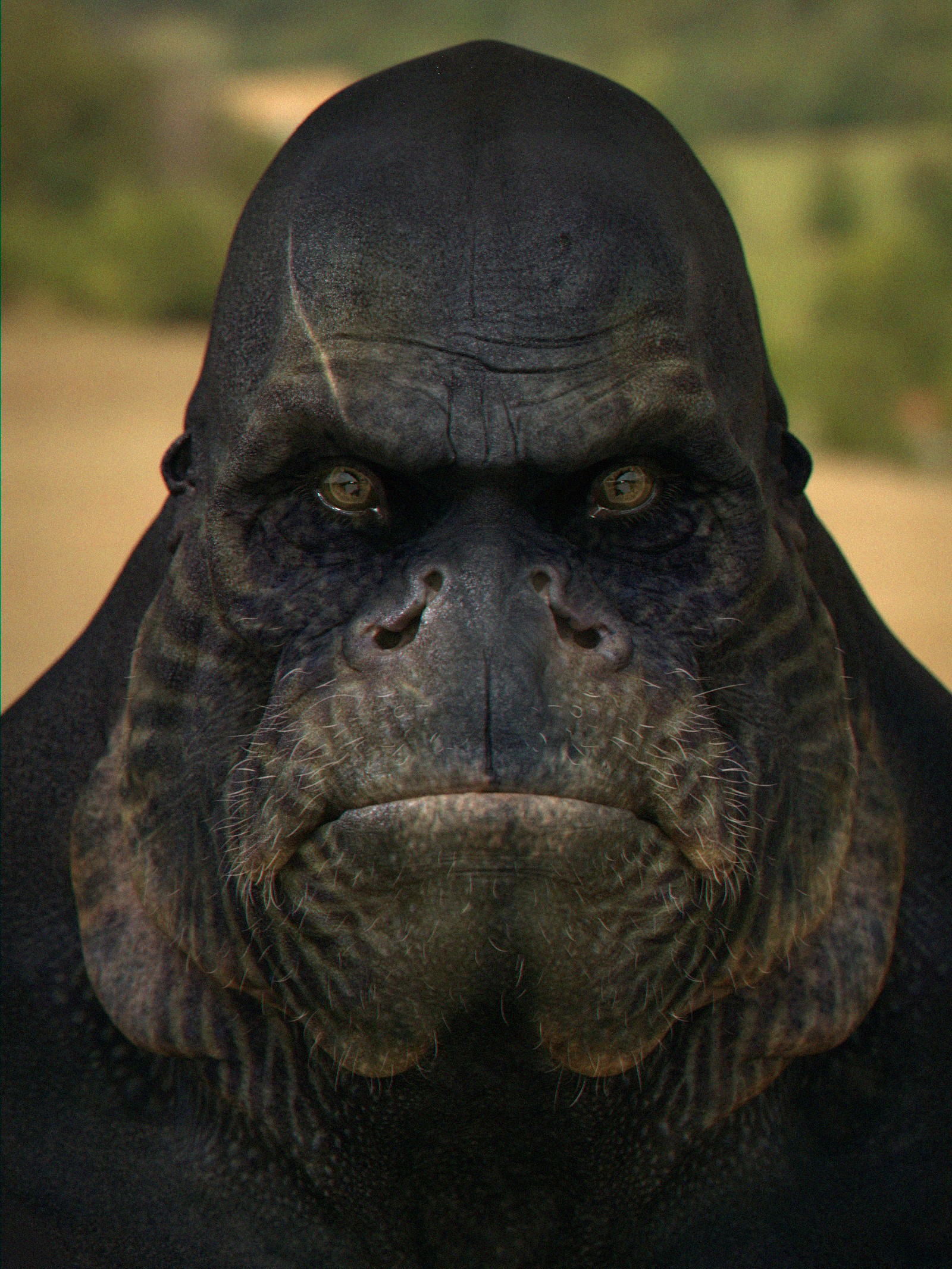
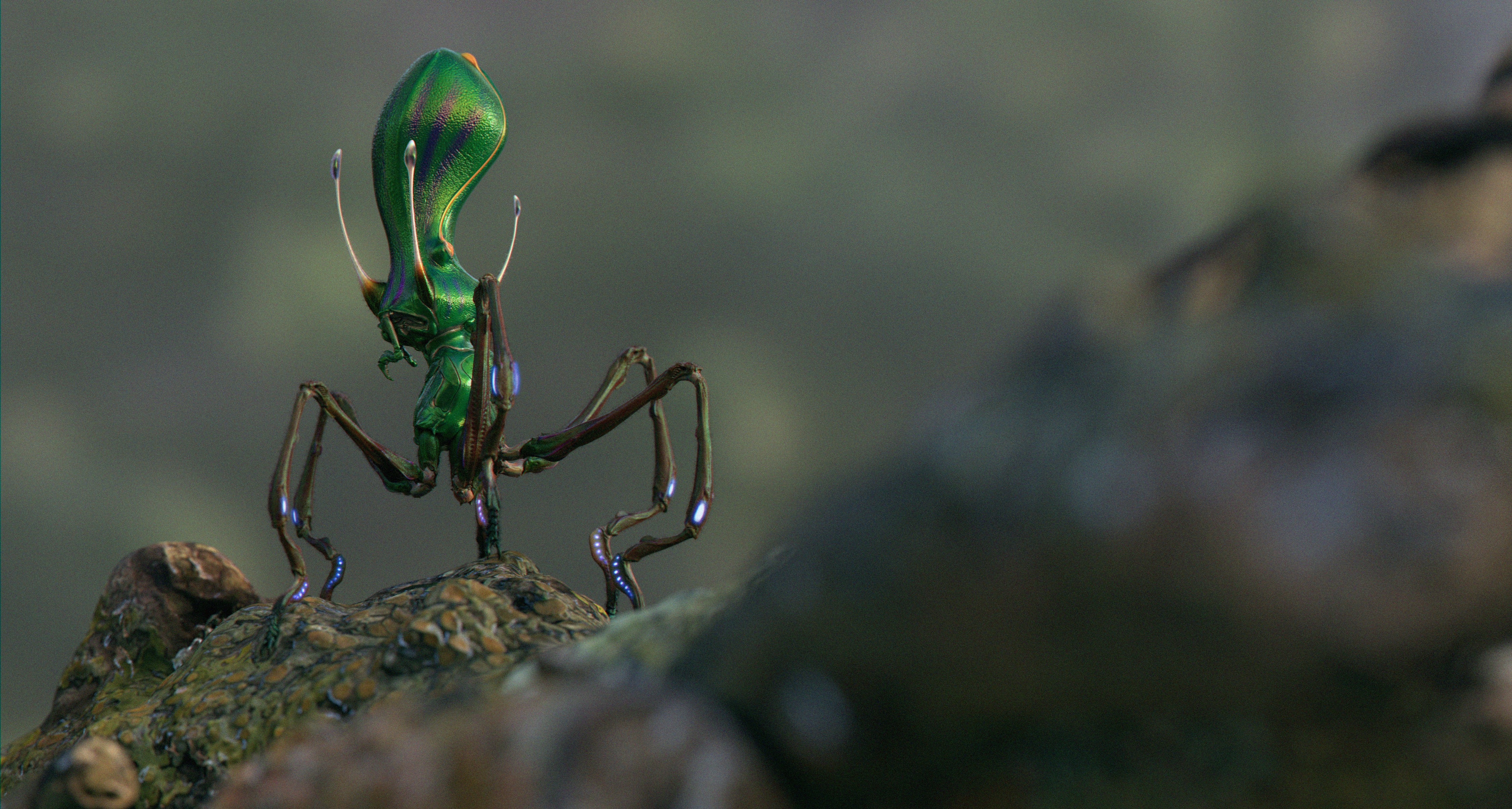
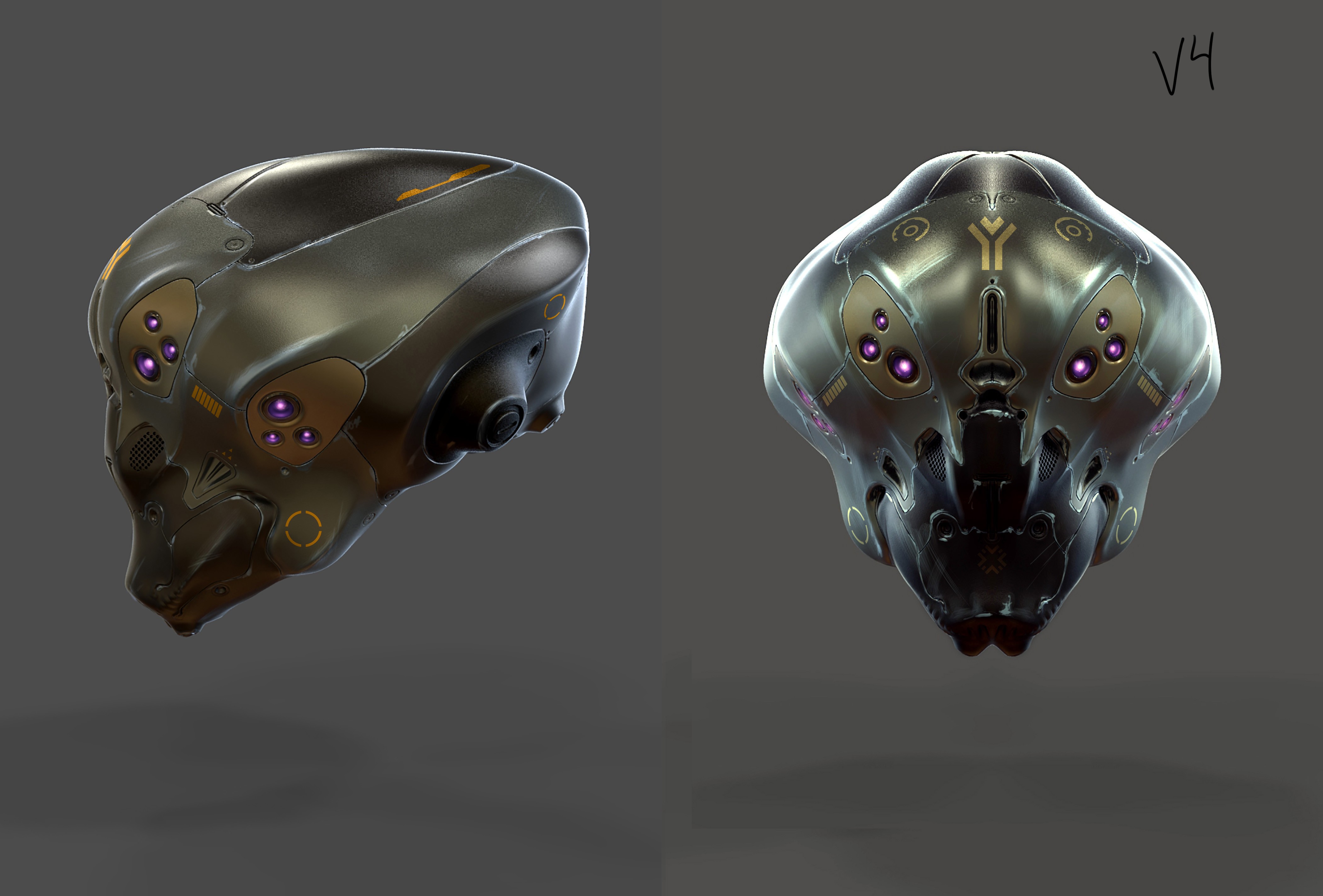
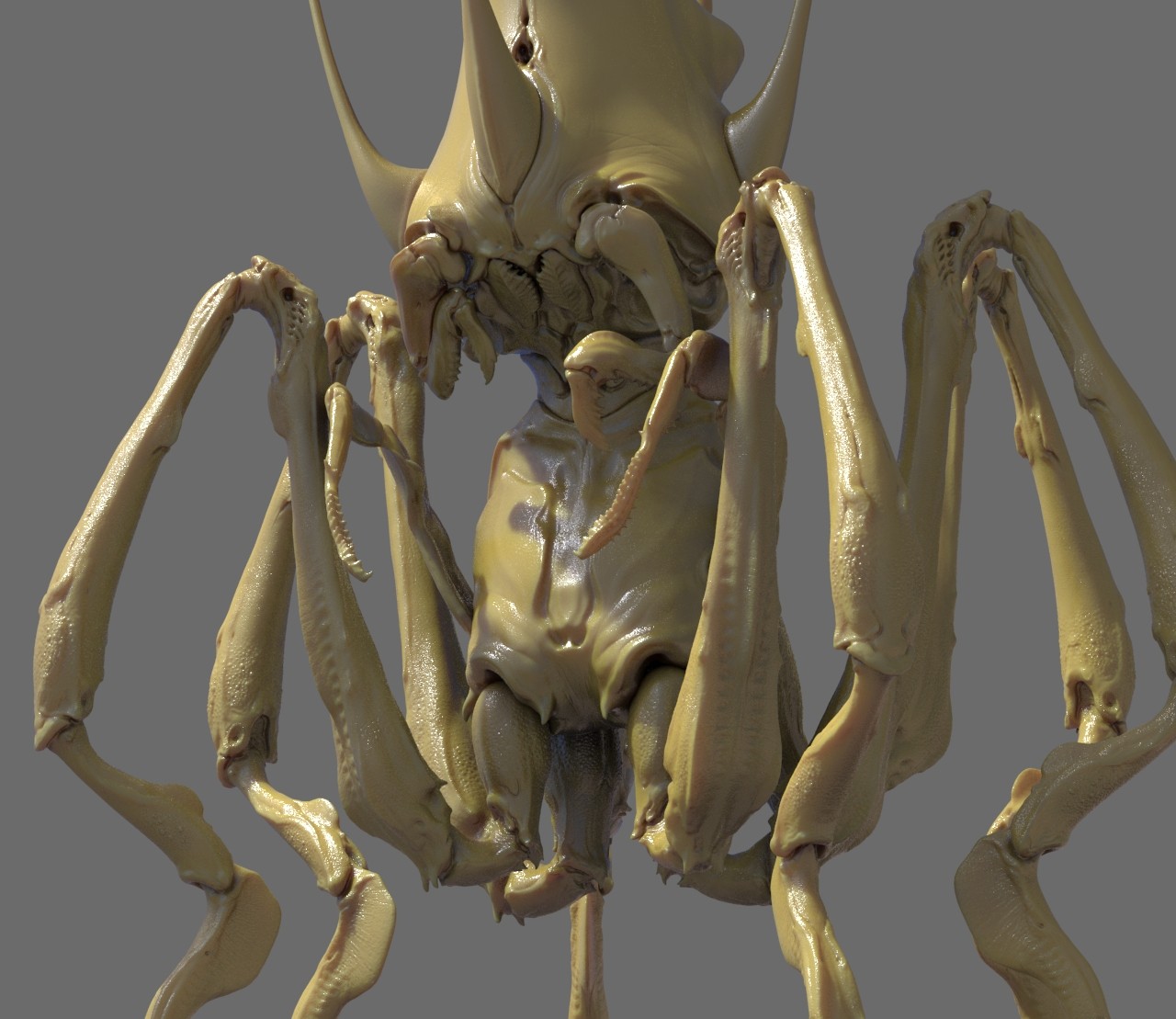
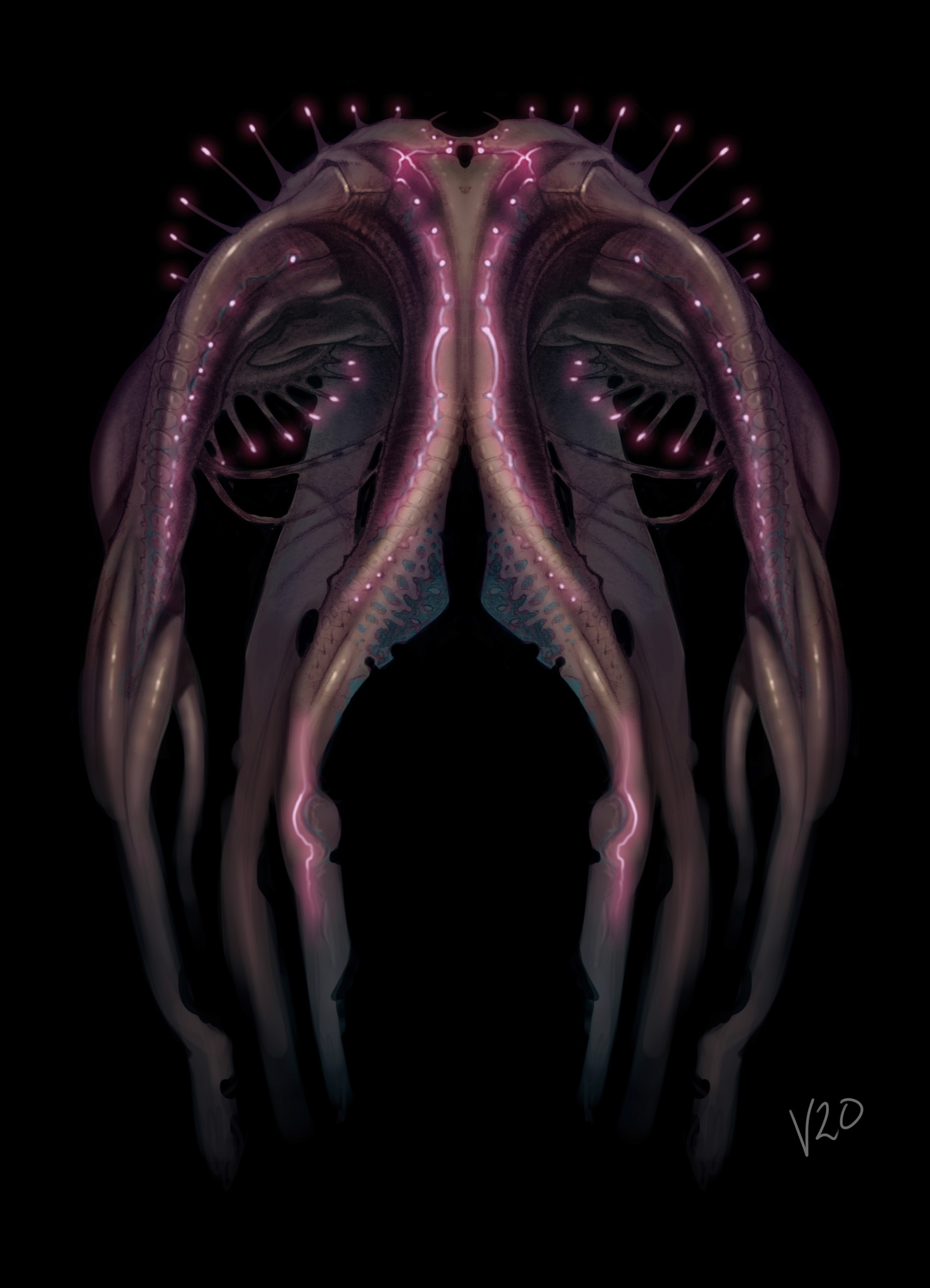
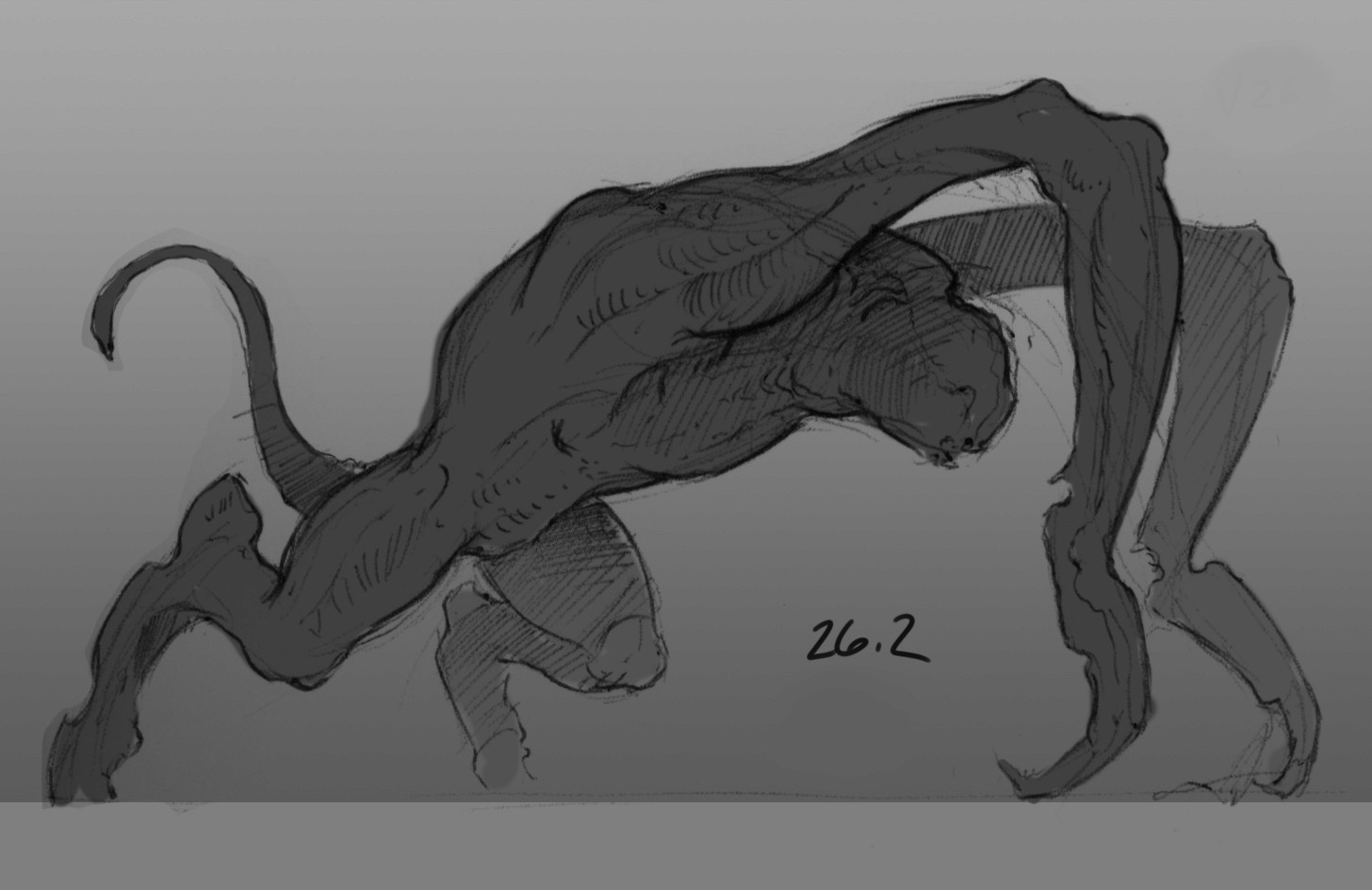
The Neville Page Academy exists for established creatives who are ready to think differently. This isn't about learning techniques—it's about developing the sophisticated creative mind required to work at the highest levels of the industry.

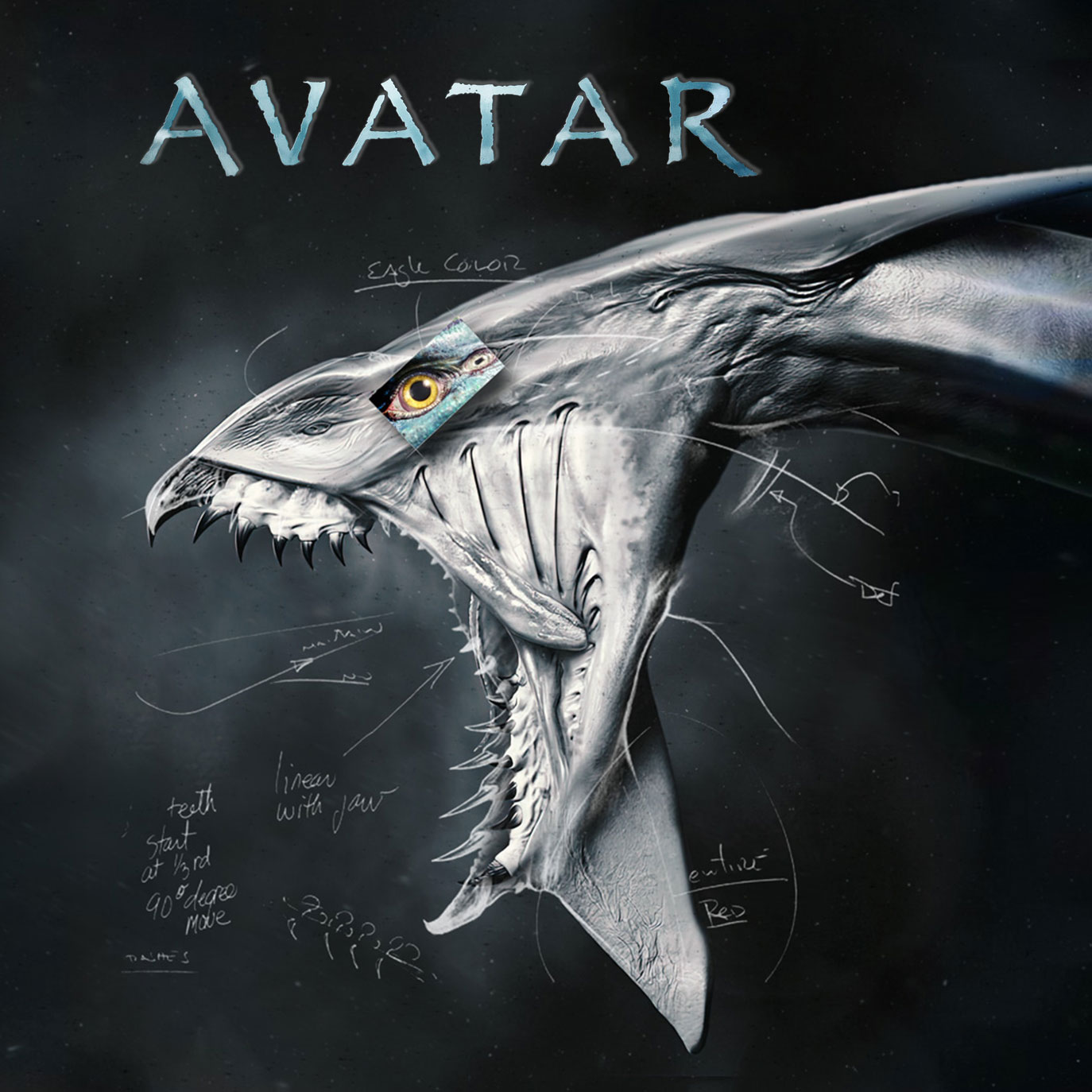
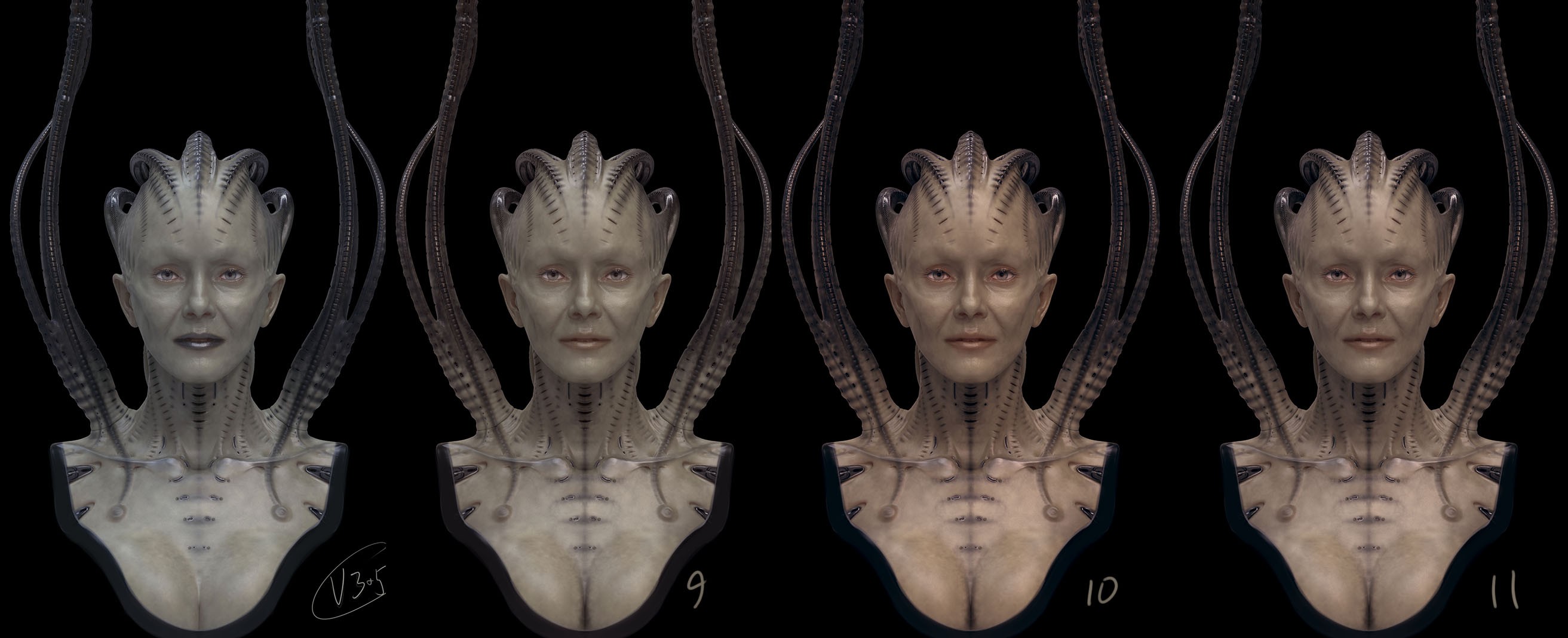
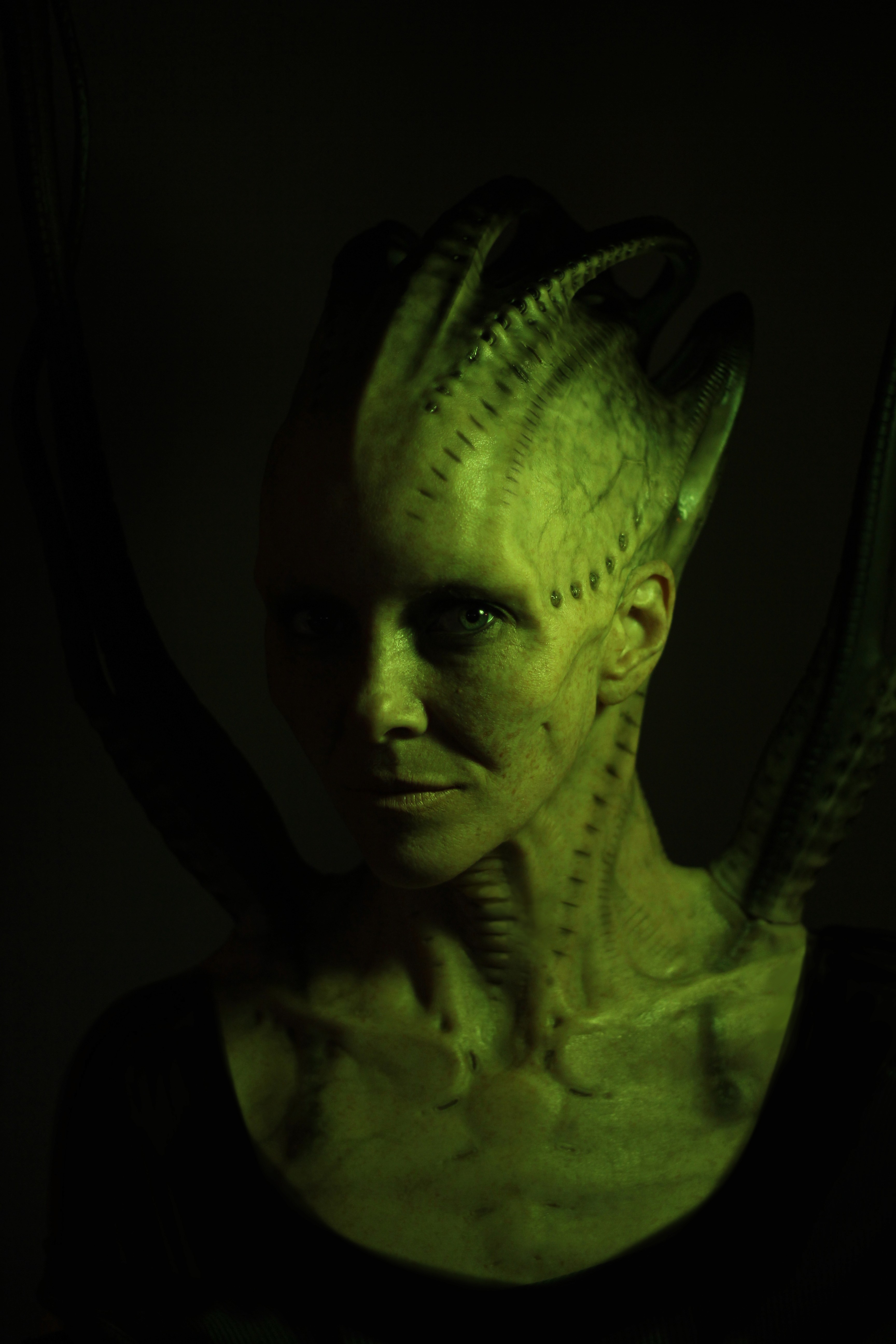
Each course is built on decades of experience solving complex creative problems under extraordinary pressure: from Avatar to Star Trek, from concept to execution, from brief to delivery. The philosophies taught here aren't theoretical—they're battle-tested methodologies forged in real-world, high-stakes environments.

NPA courses vary in scope, scale, and focus, but all share a common foundation: think before you act. Approach over technique. Intelligence over instinct. Strategy over improvisation.

This is where professionals come to evolve.
Forest Trail
Mountain View
seashore during golden hour
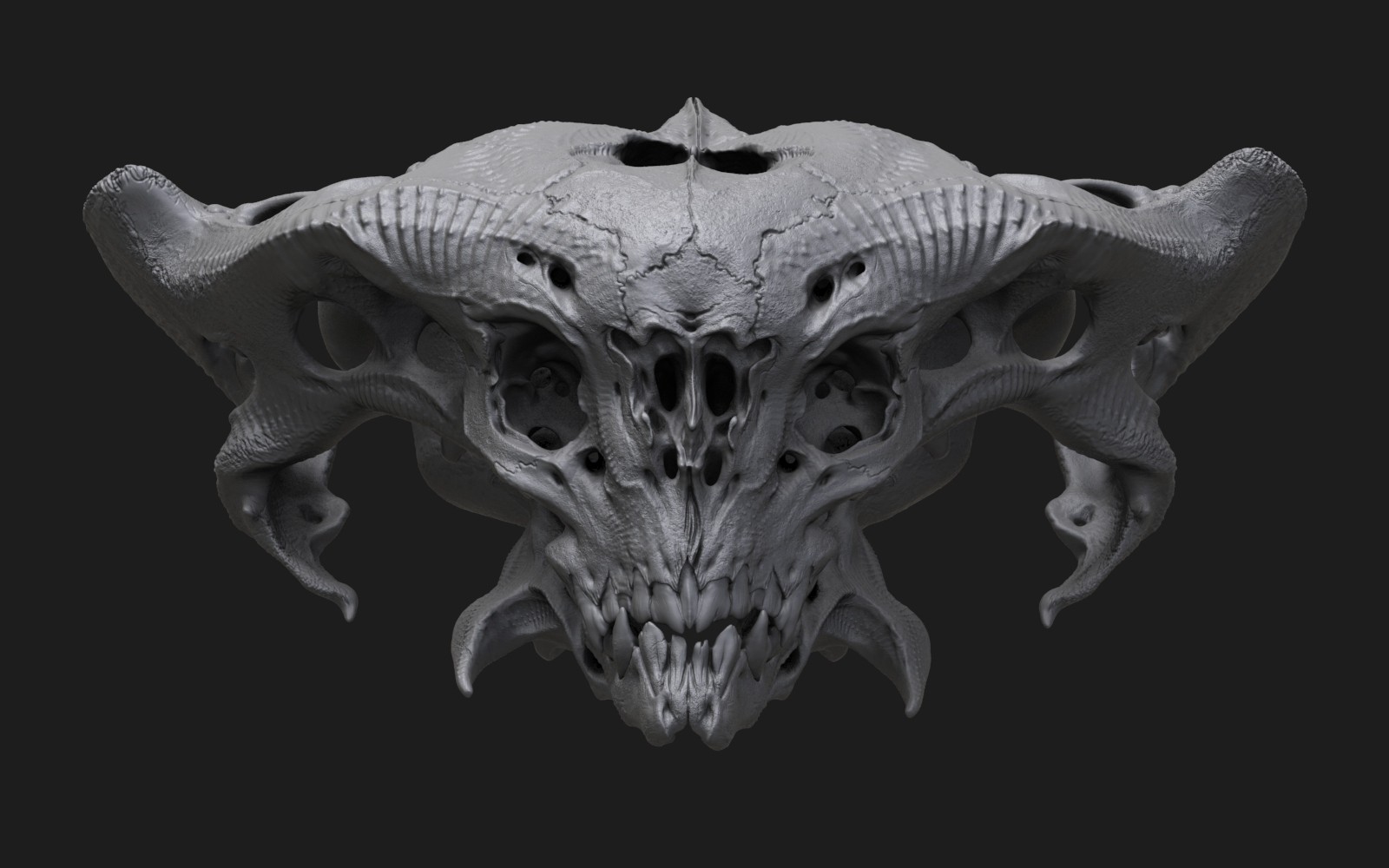
Leo Skull
Title
Forest Trail
Mountain View
seashore during golden hour
Leo Skull
Title
Forest Trail
Mountain View
seashore during golden hour
Leo Skull
Title

About Neville Page

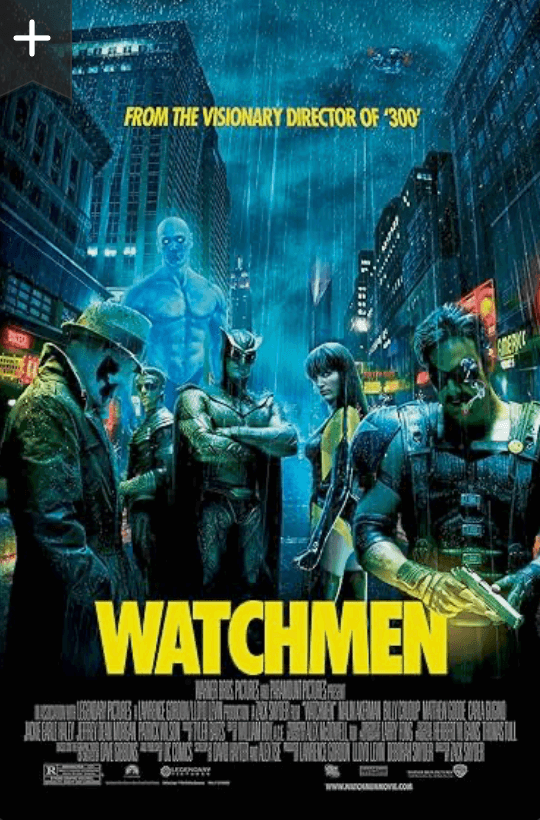
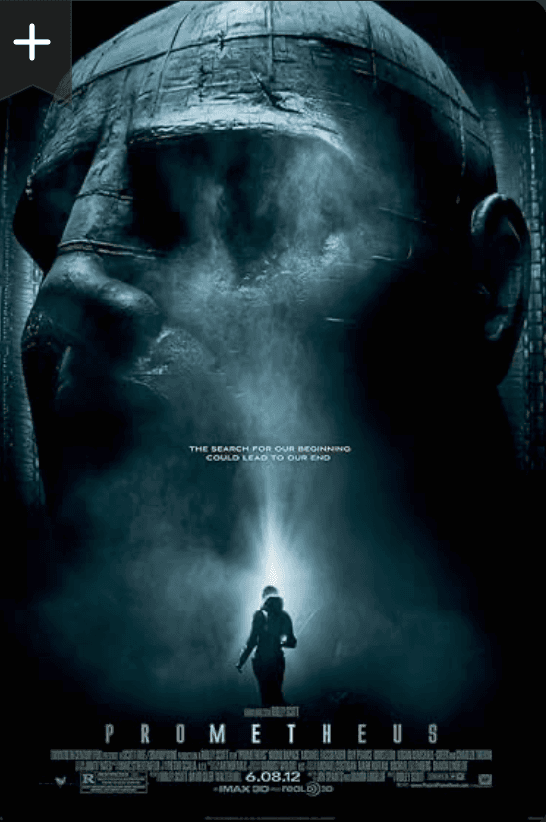
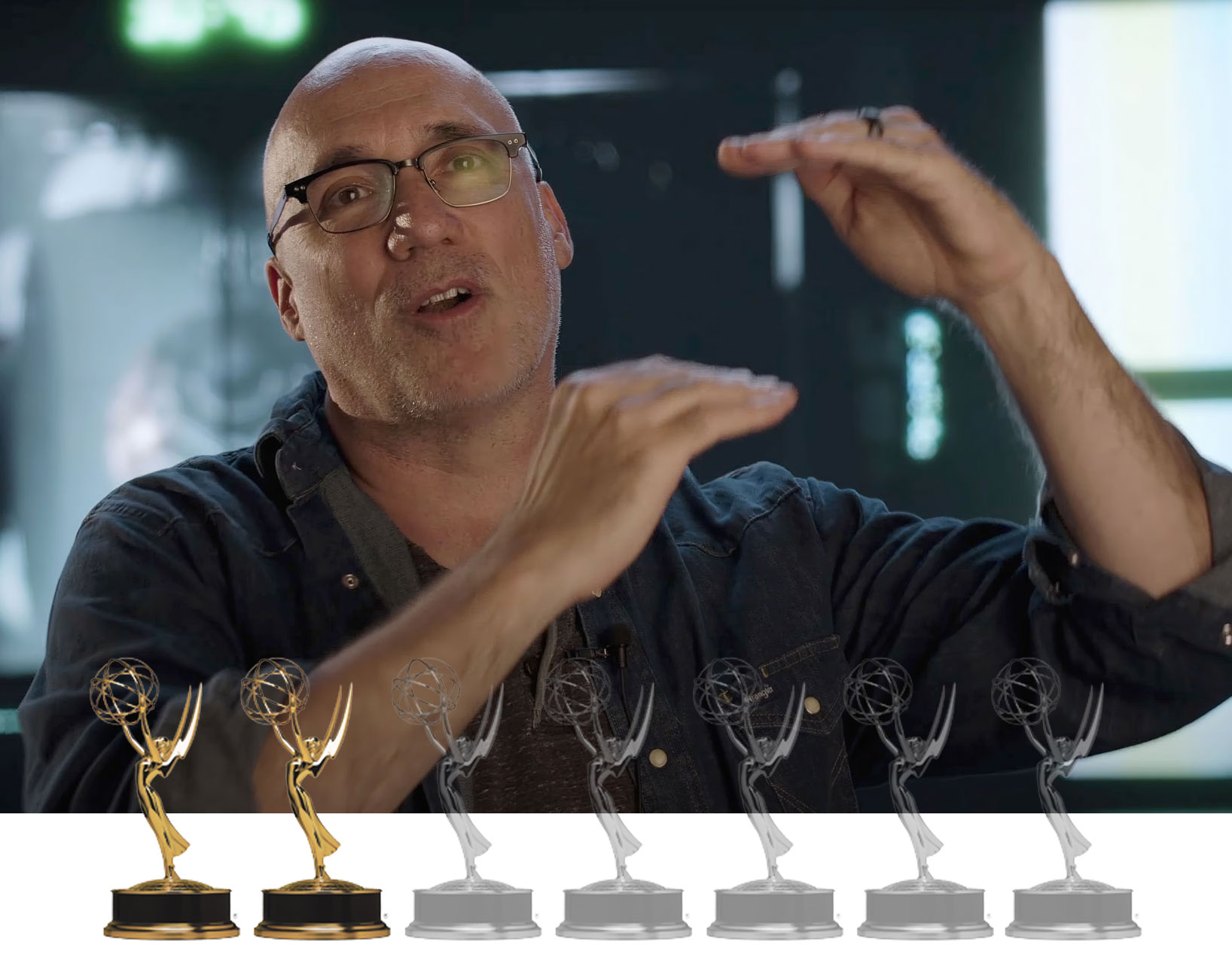
Neville Page is an Emmy-winning designer, director, and educator whose work spans iconic films and series—from Avatar and Prometheus to Star Trek and beyond.

But The Neville Page Academy isn’t built on credits. It’s built on what those credits taught him: how to think like a designer under pressure, how to develop ideas that survive critique, and how to turn taste into repeatable process.

For over two decades, Neville has taught at the highest level—helping artists and designers move from “good” to undeniable by strengthening fundamentals, decision-making, and clarity of intent. His approach blends craft with philosophy: not just how to make impressive work, but why it works—and how to do it again on demand.

The Academy is for serious creatives who want momentum, structure, and honest feedback from someone who understands both the studio world and the personal cost of building a life in it. If you’re ready to sharpen your eye, refine your voice, and leave with work you can stand behind, welcome in.

SIGN UP TO JOIN THE WAITLIST:

SIGN UP TO JOIN THE WAITLIST:

Founding Master Session 2026

ADVANCED DESIGN THINKING

Approach over style

Approach over style

This course prioritizes how designers think, not what tools they use. Through advanced projects spanning character, creature, and functional design, students build a repeatable process that outlasts any medium.
w1

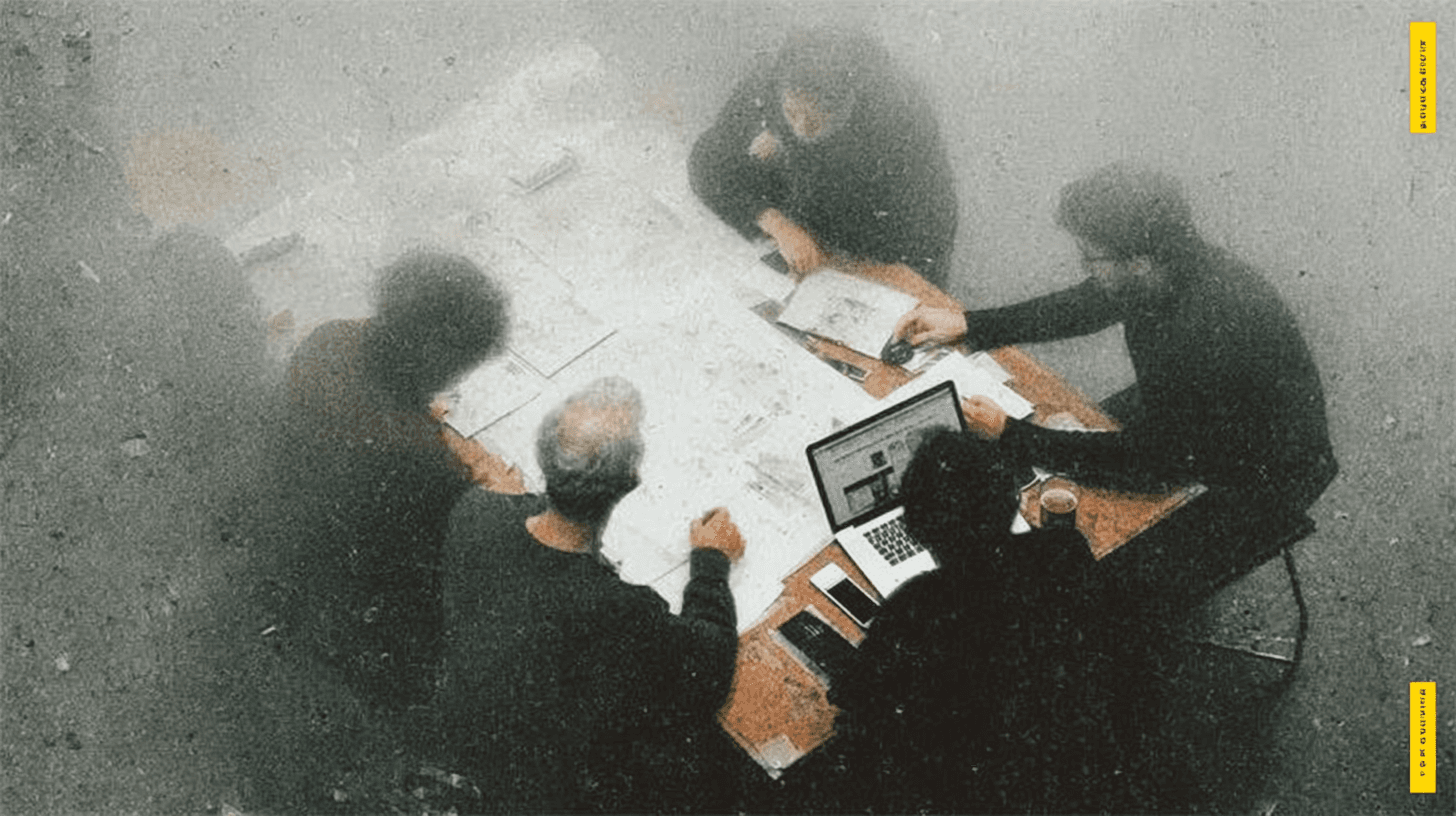
Think before you draw

Understanding the brief. Defining the problem. Research as the foundation of insight. An honest assessment of what you bring and what you need to learn. The work begins before the pencil touches paper.
w1

Think before you draw

Understanding the brief. Defining the problem. Research as the foundation of insight. An honest assessment of what you bring and what you need to learn. The work begins before the pencil touches paper.

w1

Think before you draw

Understanding the brief. Defining the problem. Research as the foundation of insight. An honest assessment of what you bring and what you need to learn. The work begins before the pencil touches paper.

w2

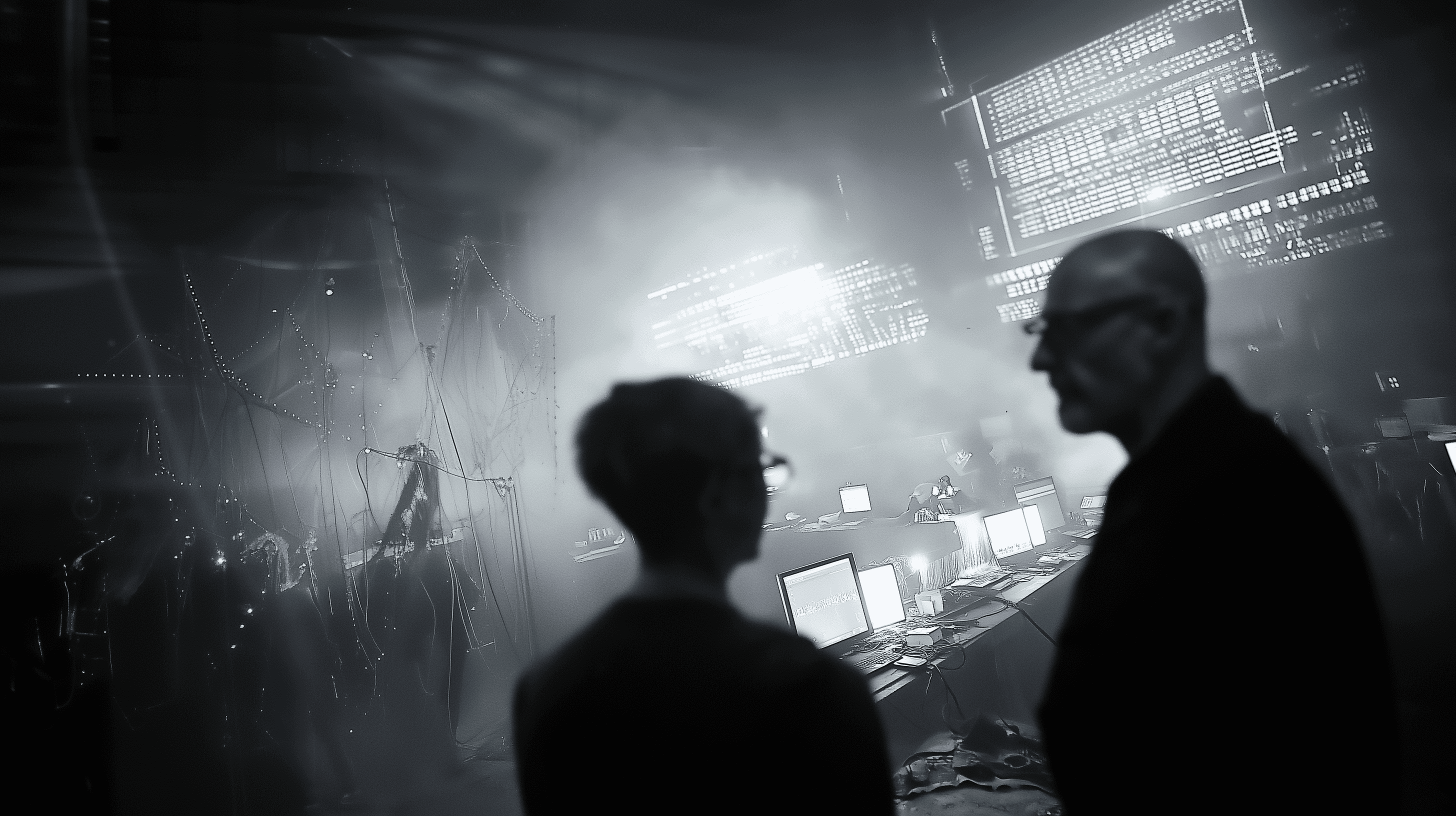
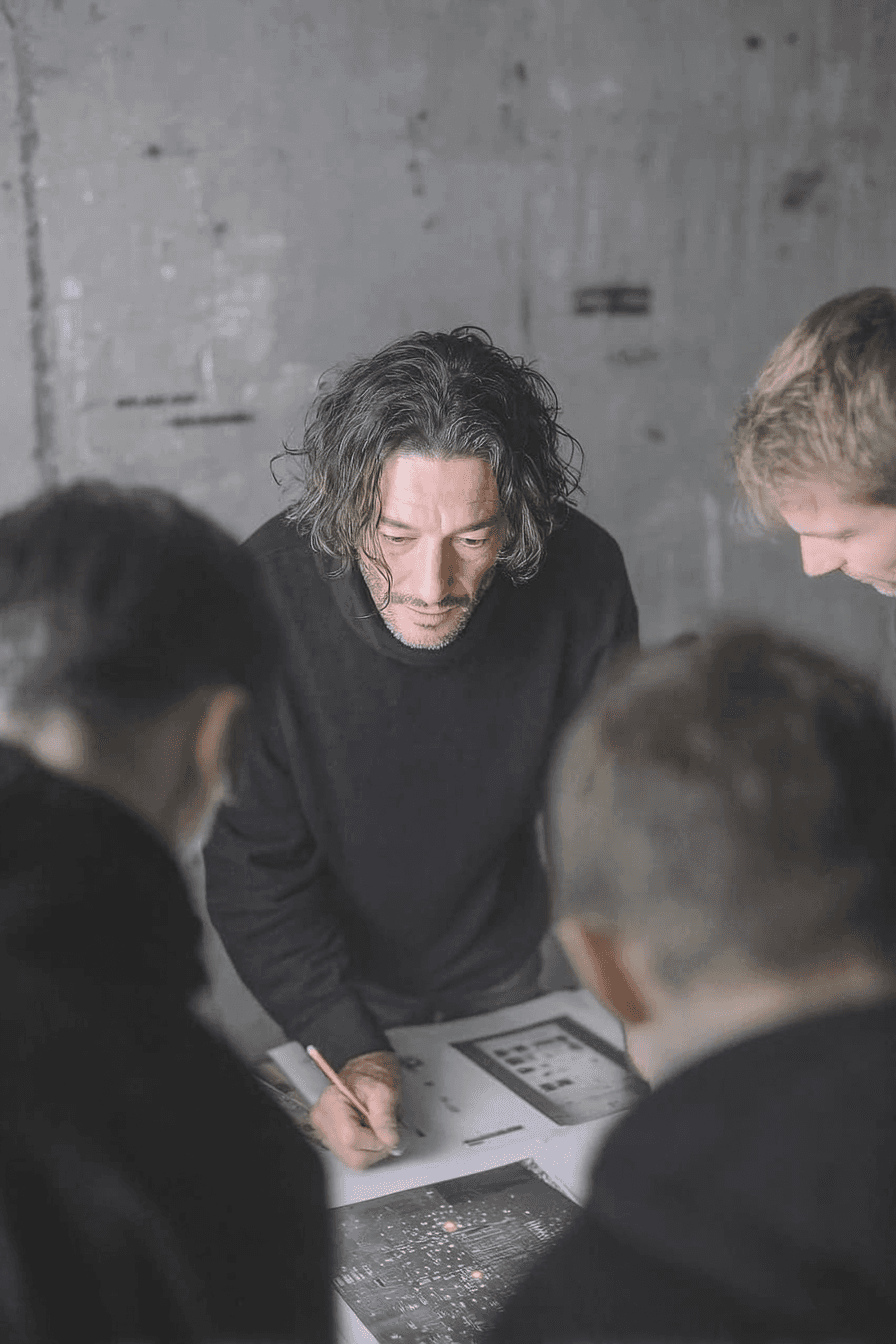
Mastery is self-awareness

Knowing yourself as a creative. Choosing the right tools, not just your favorites. The philosophy of the vague sketch. Allowing the work to inform you rather than forcing your will upon it. Evolution as practice.
w2

Mastery is self-awareness

Knowing yourself as a creative. Choosing the right tools, not just your favorites. The philosophy of the vague sketch. Allowing the work to inform you rather than forcing your will upon it. Evolution as practice.

w2

Mastery is self-awareness

Knowing yourself as a creative. Choosing the right tools, not just your favorites. The philosophy of the vague sketch. Allowing the work to inform you rather than forcing your will upon it. Evolution as practice.

w3

Thinking through problems

Applying methodology over instinct. Iteration driven by knowledge, rather than guesswork. Finding the gaps in what you've been asked to do. These are the questions that lead to better solutions.

w3

Thinking through problems

Applying methodology over instinct. Iteration driven by intelligence, not guesswork. Finding the gaps in what you've been asked to do. These are the questions that lead to better solutions.

w3

Thinking through problems

Applying methodology over instinct. Iteration driven by knowledge, rather than guesswork. Finding the gaps in what you've been asked to do. These are the questions that lead to better solutions.

w4

Make your thinking visible

Integrating art and science. Balancing what the client expects with what you know is right. Making your wisdom apparent in every decision. Client relationships as conversation, not transaction.

w4

Make your thinking visible

Integrating art and science. Balancing what the client expects with what you know is right. Making your wisdom apparent in every decision. Client relationships as conversation, not transaction.

w4

Make your thinking visible

Integrating art and science. Balancing what the client expects with what you know is right. Making your wisdom apparent in every decision. Client relationships as conversation, not transaction.

w5

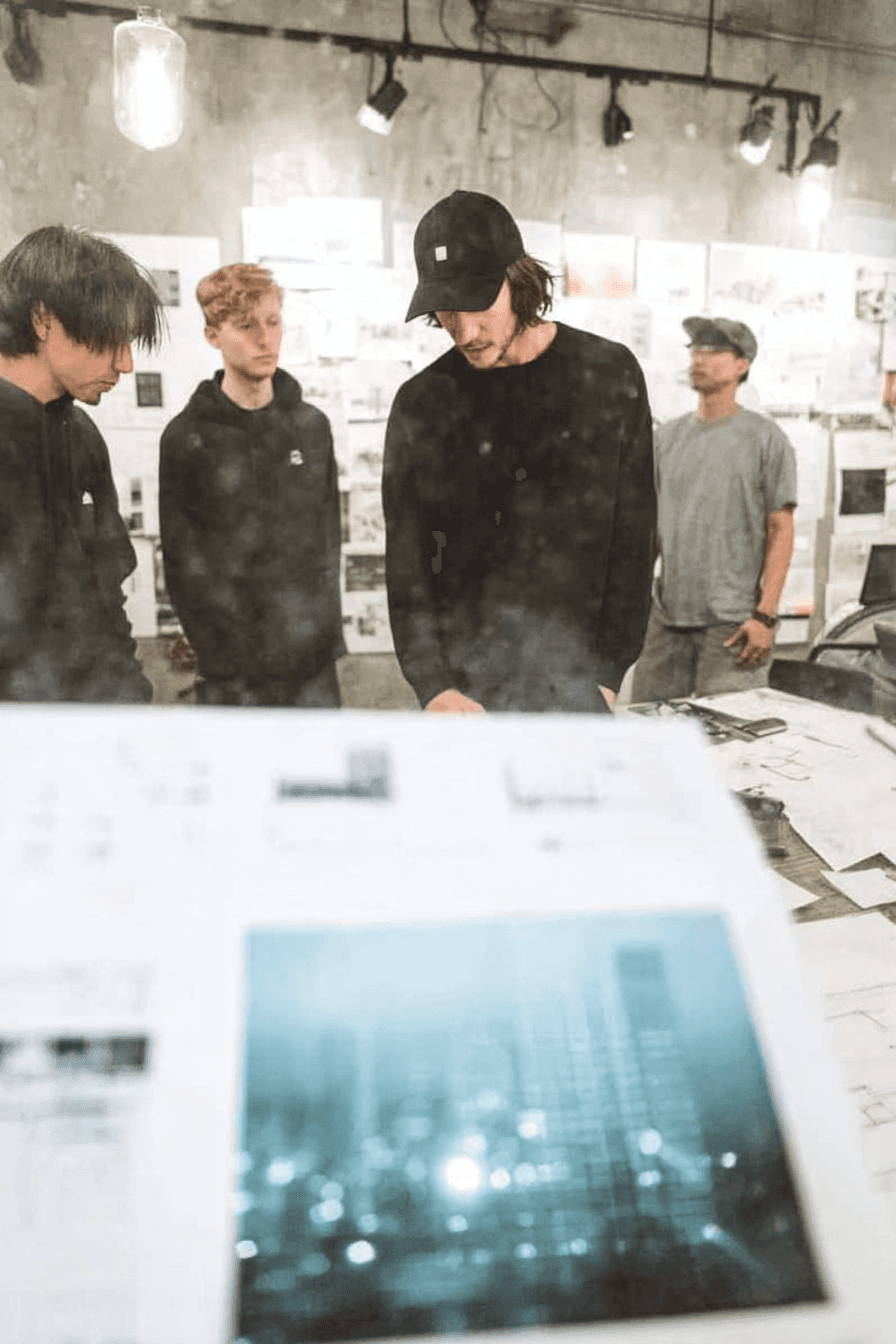
Delivering excellence

Bringing it all home. The last ten percent that separates the professional from the amateur. Presenting your work with confidence and justification. Giving what's asked while protecting what's yours.
w5

Delivering excellence

Bringing it all home. The last ten percent that separates the professional from the amateur. Presenting your work with confidence and justification. Giving what's asked while protecting what's yours.

w5

Delivering excellence

Bringing it all home. The last ten percent that separates the professional from the amateur. Presenting your work with confidence and justification. Giving what's asked while protecting what's yours.

w6

The proof of mastery

Standing behind your work with a new level of confidence and comprehension. Articulating your process and defending your choices becomes something to relish. The transformation from thinking to doing. 

w6

The proof of mastery

Standing behind your work with a new level of confidence and comprehension. Articulating your process and defending your choices becomes something to relish. The transformation from thinking to doing. 

w6

The proof of mastery

Standing behind your work with a new level of confidence and comprehension. Articulating your process and defending your choices becomes something to relish. The transformation from thinking to doing. 

In Conclusion

When you finish this course, you’ll find that your work holds up better in conversation with clients, collaborators and yourself. Your decisions will be clearer and more intentional.
The intent is not to give you more content, but to give you better strategic tools and the space to use them well.

Course Eligibility

Enrollment is limited to a carefully chosen cohort of up to 20 designers. A brief portfolio review allows the class to be thoughtfully balanced, ensuring alignment, productive dialogue, and a cohesive learning environment. Pre-registration is available, with final entry granted upon review and acceptance.

THE Cost

Tuition is $2,500 for the six weeks.

The course includes live instruction, curated asynchronous feedback, original PDF tools, and a final industry-facing polish review, designed to extend the value of the course beyond the live sessions.

What’s Included

A small-cohort work environment

Direct instruction from Neville Page

Asynchronous feedback and reviews, designed to support deeper thinking without adding noise.

Additional Materials & Support

PDF Design frameworks and decision-making models

Design Brief interrogation and problem-definition tools

Neville's Actionable Process Templates

At the conclusion of the course, each participant can choose to have a recorded review focused on presentation, clarity, and professional framing.

FREQUENTLY ASKED QUESTIONS

FREQUENTLY ASKED QUESTIONS

Who is this for?

Serious creatives who want to level up taste, design instincts, and decision-making—not just collect tutorials. Great for artists/designers who want sharper thinking and stronger output.

How do I get in?

Enrollment is application-based. You submit a short portfolio so the cohort is curated for a strong, high-value experience.

How long is the program and what’s the format?

Typically 6 weeks, live online sessions (about 2 hours/week), with the cohort capped around 20 to keep critique meaningful.

When does it start?

Join the early list to get first notice and first access to enrollment.

Is it only for entertainment designers?

No. The first cohort may focus on creature/character/prop-type work, but the methods translate directly to industrial design, fashion, toy, automotive, illustration, and storytelling/IP development.

Will this teach software (ZBrush/Photoshop/etc.)?

Software may be used, but the focus is design thinking, iteration, problem-solving, and communicating ideas—not button-by-button instruction.

Who is this for?

Serious creatives who want to level up taste, design instincts, and decision-making—not just collect tutorials. Great for artists/designers who want sharper thinking and stronger output.

How do I get in?

Enrollment is application-based. You submit a short portfolio so the cohort is curated for a strong, high-value experience.

How long is the program and what’s the format?

Typically 6 weeks, live online sessions (about 2 hours/week), with the cohort capped around 20 to keep critique meaningful.

When does it start?

Join the early list to get first notice and first access to enrollment.

Is it only for entertainment designers?

No. The first cohort may focus on creature/character/prop-type work, but the methods translate directly to industrial design, fashion, toy, automotive, illustration, and storytelling/IP development.

Will this teach software (ZBrush/Photoshop/etc.)?

Software may be used, but the focus is design thinking, iteration, problem-solving, and communicating ideas—not button-by-button instruction.

Who is this for?

Serious creatives who want to level up taste, design instincts, and decision-making—not just collect tutorials. Great for artists/designers who want sharper thinking and stronger output.

How do I get in?

Enrollment is application-based. You submit a short portfolio so the cohort is curated for a strong, high-value experience.

How long is the program? What’s the format?

Typically 6 weeks, live online sessions (about 2 hours/week), with the cohort capped around 20 to keep critique meaningful.

When does it start?

Join the early list to get first notice and first access to enrollment.

Is it only for entertainment designers?

No. The first cohort may focus on creature/character/prop-type work, but the methods translate directly to industrial design, fashion, toy, automotive, illustration, and storytelling/IP development.

Will you be teaching software?

Software may be used, but the focus is design thinking, iteration, problem-solving, and communicating ideas—not button-by-button instruction.

© Copyright 2026, The Neville Page Academy. All Rights Reserved

© Copyright 2026, The Neville Page Academy.
All Rights Reserved

© Copyright 2026
The Neville Page Academy.
All Rights Reserved